Ace Glory Adventure - India's Defining Action-Adventure Game
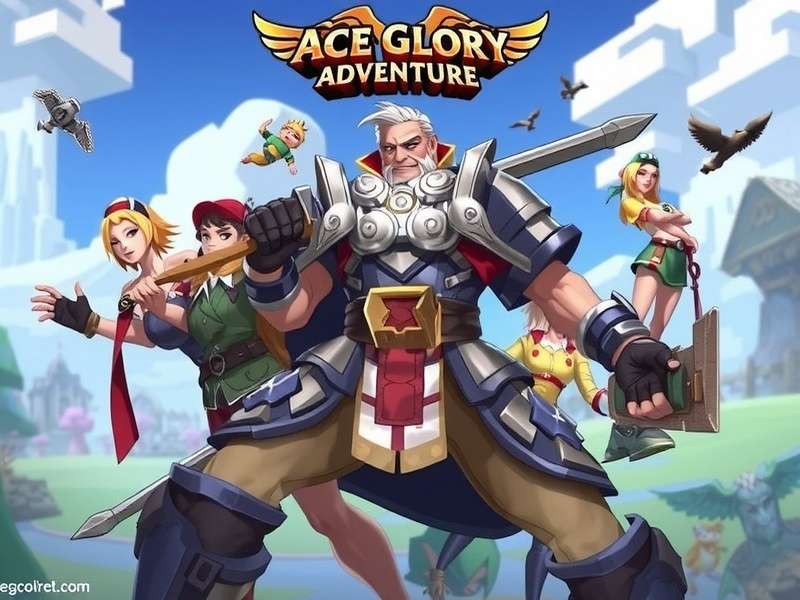
Ace Glory Adventure (fondly referred to as AGA in desi gaming circles) has emerged as India's most iconic homegrown action-adventure video game, developed by Desi Game Studios Pvt. Ltd. and published by Daman Games. Launched on Republic Day (26th January 2023) – a date steeped in Indian national pride – Ace Glory Adventure was conceptualized from the ground up to resonate with the unique cultural, linguistic, and social fabric of India. Unlike international titles that merely add token Indian content as an afterthought, Ace Glory Adventure embeds desi sensibilities into every facet of its design, from the bustling chawls of Mumbai to the serene backwaters of Kerala, creating a gaming experience that feels authentically Indian.
In just over a year since its launch, Ace Glory Adventure has shattered records in the Indian gaming market, crossing 30 million downloads across mobile and PC platforms by mid-2024. What makes this achievement even more remarkable is its penetration into tier-2, tier-3, and rural India – regions where international games often struggle due to poor localization and high device requirements. Ace Glory Adventure's success lies in its ability to balance high-octane action with cultural relevance, making it a staple in cyber cafes across Punjab, college dorm rooms in Tamil Nadu, and village community centers in Uttar Pradesh alike.
🎮 Quick Facts About Ace Glory Adventure
- Developer: Desi Game Studios Pvt. Ltd. (Hyderabad-based)
- Publisher: Daman Games
- Initial Release: 26 January 2023 (India Republic Day)
- Platforms: Android, iOS, Windows PC, PlayStation 5, Xbox Series X/S
- Languages Supported: Hindi, English, Tamil, Telugu, Bengali, Marathi, Gujarati, Punjabi, Kannada, Malayalam, Odia, Assamese
- Game Modes: Single-player, Multiplayer (up to 100 players), Battle Royale, Co-op, Free Roam
- Monetization: Free-to-play with cosmetic microtransactions (strictly no pay-to-win mechanics)
The development journey of Ace Glory Adventure began in 2020, when Desi Game Studios conducted extensive ethnographic research across 32 Indian states and union territories. The team interviewed over 10,000 gamers – from casual mobile players in Bihar to hardcore PC gamers in Bengaluru – to understand their preferences, pain points, and cultural expectations from a homegrown game. This research revealed that Indian gamers craved a title that reflected their daily lives: the chaos of Indian streets, the diversity of regional cuisines, the vibrancy of festivals, and the social dynamics of desi gaming (which is often a group activity, unlike the solitary gaming culture in the West).
Ace Glory Adventure's open world is a love letter to India's diversity, featuring meticulously recreated locations from the snow-clad valleys of Ladakh to the sun-baked plains of Rajasthan, from the tea gardens of Assam to the coconut groves of Kerala. Every region in the game is populated with authentic details: street vendors selling pani puri and vada pav as in-game health boosters, auto-rickshaws weaving through traffic, temple bells ringing in the background, and local folk music playing in different regions. This level of authenticity has struck a chord with Indian gamers, who often comment that playing Ace Glory Adventure feels like "exploring their own country in a virtual world".
Another key factor in Ace Glory Adventure's success is its accessibility. Recognizing that over 70% of Indian gamers use budget smartphones (under ₹15,000), the game was optimized to run smoothly on devices with 1GB RAM and entry-level processors. The "Desi Mode" graphics setting reduces texture quality and disables non-essential effects while preserving core gameplay, ensuring that gamers in rural areas with low-end devices can enjoy the full Ace Glory Adventure experience without lag or crashes. This commitment to accessibility has made Ace Glory Adventure a household name in parts of India where internet connectivity and device quality are still major barriers to gaming.
Total Downloads (2024)
Across all platforms
Daily Active Players
As of Q3 2024
Regional Servers
Across India (Including NE States)
Industry Awards
Indian & South Asian Gaming Awards
According to the Indian Gaming Federation's 2024 report, Ace Glory Adventure accounts for 22% of all mobile gaming hours in India – a staggering figure for a game that's just over a year old. It has outperformed several international titles in key metrics like player retention (78% 30-day retention rate) and in-game engagement (average 2.5 hours per session). What's even more impressive is its gender diversity: 28% of Ace Glory Adventure players are female, compared to the Indian gaming industry average of 18%, a testament to its inclusive character design and non-toxic community culture.
Ace Glory Adventure's impact extends beyond entertainment. It has become a cultural phenomenon, with references to the game appearing in Bollywood movies, regional music videos, and even college festivals. The game's characters have become pop culture icons, with merchandise like Ace Glory Adventure t-shirts, phone cases, and action figures selling out in local markets across India. Daman Games has capitalized on this popularity by launching Ace Glory Adventure-themed esports tournaments, which attract thousands of participants and millions of viewers, further cementing the game's status as a defining part of modern Indian youth culture.
Gameplay Mechanics of Ace Glory Adventure
Core Gameplay Loop 🎯
At its core, Ace Glory Adventure is an open-world action-adventure game that blends third-person shooting, melee combat, exploration, and storytelling – all infused with distinctly Indian elements. The game's core loop revolves around completing story missions, engaging in side quests that reflect local Indian issues (like water scarcity, farmer distress, or community harmony), exploring the vast open world, and customizing your character and vehicles to suit your playstyle. What sets Ace Glory Adventure apart from global action games is its seamless integration of traditional Indian martial arts with modern combat mechanics, creating a gameplay experience that is both familiar and uniquely desi.
Players assume the role of "Glory" – a customizable protagonist whose gender, appearance, and backstory can be tailored to reflect different Indian identities. Glory can be male, female, or non-binary, with skin tones ranging from fair to dark brown, hairstyles inspired by regional Indian fashion (from Punjabi parandas to South Indian jadas), and clothing options that span traditional wear (sarees, kurtas, lungis) to modern streetwear (hoodies, jeans, sneakers) and fusion styles (kurta-jackets, crop-top lehengas). This level of customization has made Ace Glory Adventure deeply personal for Indian players, who often create avatars that resemble themselves or their cultural identities.
The progression system in Ace Glory Adventure is designed to reward skill and time investment, with no pay-to-win elements – a deliberate choice to cater to India's price-sensitive gaming market. Players earn "Desi Coins" (the game's in-game currency) by completing missions, winning multiplayer matches, participating in daily challenges, or contributing to community events. These coins can be used to purchase weapons, vehicles, cosmetic items, or unlock new regions – but crucially, every gameplay-affecting item is available for free through gameplay, with paid items limited to purely cosmetic skins and emotes.
Game Modes in Ace Glory Adventure
Ace Glory Adventure offers a diverse range of game modes tailored to different Indian gaming preferences – from short 10-minute matches for commuters on local trains to 2-hour+ sessions for weekend gamers. Each mode is optimized for Indian internet conditions, with low-latency regional servers and offline play options for areas with poor connectivity:
- Story Mode 📖: A 40+ hour single-player campaign that takes players on a journey across India, following Glory's quest to protect their community from a corrupt corporate syndicate that is exploiting natural resources and marginalized groups. The story is divided into regional arcs (North India, South India, East India, West India, Northeast India), each with its own unique villains, missions, and cultural references. The dialogue features regional slang and idioms (written by local writers) and full voice acting in 12 Indian languages, making the story feel authentic to players from different parts of the country.
- Battle Royale 🏆: Ace Glory Adventure's flagship multiplayer mode features 100-player matches set in iconic Indian locations – from the crowded streets of Old Delhi's Chandni Chowk to the tea plantations of Munnar, from the desert forts of Jaisalmer to the backwaters of Alleppey. The shrinking play zone mechanics are adapted to Indian geography, with natural barriers like rivers, mountains, and dense forests adding strategic depth. What makes this mode uniquely Indian is the "Jugaad System" – players can use everyday items (like cycle rickshaws, wooden carts, or even bullock carts) as makeshift vehicles or cover, reflecting the Indian spirit of innovation in adversity.
- Team Deathmatch 🤝: 10v10 multiplayer matches across iconic Indian landmarks, with team-based objectives like capturing a local temple, defending a village from bandits, or escorting a politician through a crowded market. This mode is particularly popular in cyber cafes, where groups of friends play together – a reflection of India's social gaming culture. The match duration is optimized to 15 minutes per game, perfect for quick play sessions between college lectures or office breaks.
- Free Roam 🚗: An open-ended mode that allows players to explore Ace Glory Adventure's vast open world without mission constraints. Players can interact with NPCs (non-playable characters) who speak regional languages, participate in mini-games like cricket, kabaddi, carrom, or ludo, visit religious sites (temples, mosques, gurudwaras, churches) for blessings that grant temporary buffs, or simply drive through the diverse landscapes of virtual India. This mode is popular among casual players who enjoy the game's cultural details and relaxed pace.
- Co-op Missions 🎮: 2-6 player cooperative missions with increasing difficulty levels, designed for friends and family to play together. Missions range from rescuing villagers from a flood in Assam to stopping illegal sand mining in Maharashtra, reflecting real-world issues in India. The co-op mode features voice chat in regional languages, making it easy for players who are more comfortable speaking their mother tongue than English.
- Desi Challenges 🥇: A unique mode exclusive to Ace Glory Adventure that features mini-games based on Indian festivals and traditions – from breaking dahi handis during Janmashtami to collecting rangoli items during Diwali, from kite flying during Makar Sankranti to boat racing during Onam. These challenges are time-limited and offer exclusive cosmetic rewards, encouraging players to log in during festivals and celebrate Indian culture through gameplay.

Dynamic Weather & Festival System 🌦️
One of Ace Glory Adventure's most innovative features is its Dynamic Weather & Festival System, which makes the game world feel alive and ever-changing. The game experiences real-time weather conditions that mirror India's diverse climate: monsoon rains in West Bengal that reduce visibility and make vehicle handling slippery, heatwaves in Rajasthan that cause dehydration (requiring players to drink water from roadside stalls), fog in the Northeast that hides enemies, and snowfall in Himachal Pradesh that slows movement speed. These weather effects are not just cosmetic – they impact gameplay strategy, forcing players to adapt to changing conditions just like in real Indian life.
The Festival System is even more immersive, with Ace Glory Adventure celebrating all major Indian festivals with special in-game events, missions, and rewards. During Diwali, players can use firecrackers as weapons (green crackers only, in a nod to environmental concerns), decorate their in-game homes with diyas, and participate in Lakshmi puja for bonus Desi Coins. Holi events feature color-based power-ups (red for speed, blue for strength, green for healing) and water gun battles in the streets of Varanasi. Eid events include sehri and iftar missions, where players distribute food to NPCs for rewards, while Christmas features Santa-themed skins and cake-baking mini-games in Goa. Pongal and Baisakhi events celebrate harvest festivals with farming missions and community feasts, further deepening the game's cultural connection to India.
Combat System 🥊
Ace Glory Adventure's combat system strikes a perfect balance between accessibility and depth, making it easy for new players to pick up but rewarding for skilled players to master. The game features both ranged and melee combat, with a unique "Desi Combo System" that blends modern firearms with traditional Indian martial arts. Players can switch seamlessly between firing a pistol and using a lathi (wooden stick) for close-quarters combat, or from sniping enemies with a rifle to throwing a chakram (circular weapon) for silent takedowns. This fusion of modern and traditional combat styles is a hallmark of Ace Glory Adventure and sets it apart from international action games.
The melee combat system in Ace Glory Adventure features regional Indian martial arts styles, each with its own strengths and weaknesses:
- Gatka (Punjab): A fast-paced stick-fighting style ideal for crowd control and quick takedowns
- Silambam (Tamil Nadu): A staff-fighting style that offers long reach and defensive capabilities
- Kalaripayattu (Kerala): An ancient martial art that combines strikes, kicks, and weapon combat for maximum damage
- Thang-ta (Manipur): A sword and spear fighting style with fluid movements and precision strikes
- Mardani Khel (Maharashtra): A sword and shield style that emphasizes defense and counter-attacks
Vehicle combat is another highlight of Ace Glory Adventure, with a diverse range of Indian vehicles that players can customize and use in battles. From auto-rickshaws fitted with machine guns to modified Royal Enfield motorcycles with rocket launchers, from tempo travellers with bulletproof glass to bullock carts with grenade launchers (a humorous nod to rural India), the game's vehicle roster is as diverse as India itself. The vehicle physics are optimized for Indian road conditions – potholes, narrow lanes, crowded streets, and uneven terrain all affect handling, adding realism and challenge to high-speed chases through Indian cities and villages.
What makes Ace Glory Adventure's combat system truly unique is its "Jugaad Mechanic" – players can use everyday Indian items as weapons or tools in a pinch. A chappal (flip-flop) can be thrown to distract enemies, a steel tumbler can be used as a melee weapon, a cycle pump can be modified into a makeshift gun, and even a packet of gutka can be used to create a smoke screen. This mechanic reflects the Indian spirit of making do with what's available ("jugaad") and adds a layer of creativity and humor to combat that resonates deeply with desi players.
Characters & Lore in Ace Glory Adventure
Protagonist: Glory 🎭
The protagonist of Ace Glory Adventure, known simply as "Glory", is a blank canvas for players to project their own identity while still having a compelling backstory that resonates with Indian youth. Glory hails from a small village in India (players can choose their home state from all 32 options) and moves to a metropolitan city to pursue higher education or a job – a journey that millions of young Indians undertake every year. What makes Glory relatable is their struggles: financial hardship, pressure from family to succeed, balancing traditional values with modern aspirations, and the desire to make a difference in their community.
Players can customize Glory's appearance in unprecedented detail for an Indian game: choosing facial features inspired by different regional ethnicities (North Indian, South Indian, Northeast Indian, East Indian), body types that reflect real Indian body diversity (not just Western beauty standards), and clothing that ranges from traditional wear (like a Kanjeevaram saree from Tamil Nadu, a Phiran from Kashmir, or a Patiala salwar from Punjab) to modern streetwear (inspired by Mumbai's street fashion or Delhi's college culture) to fusion styles that blend both. Glory's voice can be customized with regional accents (Delhi's Hinglish, Mumbai's tapori slang, Chennai's Tamil-inflected English, Kolkata's Bengali accent) – a small but impactful detail that makes the character feel truly personal to players from different parts of India.
As players progress through Ace Glory Adventure's story mode, Glory's personality evolves based on their choices – whether to help a local community fight against a corrupt politician, to prioritize personal gain over community welfare, or to use violence only as a last resort. These choices affect how NPCs interact with Glory, which missions become available, and even the ending of the story – adding replay value and making each player's journey through Ace Glory Adventure unique.
Playable Characters & NPCs 🎬
While Glory is the main protagonist, Ace Glory Adventure features a diverse cast of playable characters and NPCs that represent India's linguistic, cultural, religious, and regional diversity. Each character has a unique backstory, personality, special abilities, and dialogue that reflects their background – a far cry from the stereotypical Indian characters often seen in international games. The developers worked with regional actors, writers, and cultural consultants to ensure authenticity, avoiding caricatures and portraying Indian characters with depth and nuance:
- Inspector Jai Singh 🚨: A no-nonsense police officer from Haryana, known for his honesty and dedication to justice in a system plagued by corruption. Jai specializes in hand-to-hand combat (using Pehlwani, a traditional Haryanvi wrestling style) and shotgun warfare. His backstory involves fighting against the sand mafia in Haryana – a real-world issue that resonates with players from the state. Jai speaks in Haryanvi-inflected Hindi, with phrases like "Chhori chhori" (slowly slowly) and "Tej chalao" (move fast) that are authentic to the region.
- Dr. Priya Menon 👩⚕️: A doctor from Kerala who left her high-paying hospital job to set up a free clinic in a remote village in Wayanad. Priya specializes in healing abilities (reviving teammates in co-op mode) and precision shooting with sniper rifles. Her missions revolve around fighting against a pharmaceutical company that is selling fake medicines in rural Kerala – a reference to real-world issues of counterfeit drugs in India. Priya occasionally breaks into Malayalam when emotional, using phrases like "Ente ponnu" (my dear) and "Valare nallathu" (very good) that add authenticity to her character.
- Chandu Bhai 🚕: A street-smart auto-rickshaw driver from Mumbai who knows the city's back alleys and chawls like the back of his hand. Chandu specializes in vehicle combat and stealth missions, using his knowledge of Mumbai's geography to outmaneuver enemies. His dialogue is filled with Mumbai's tapori slang (a mix of Hindi, Marathi, and English) – phrases like "Bhai log" (friends), "Jholmaal mat kar" (don't mess around), and "Khallas" (finished) – that capture the city's unique linguistic flavor. Chandu's backstory involves protecting his chawl from a land mafia that wants to demolish it for a luxury apartment complex, a common struggle in Mumbai's slum areas.
- Fatima Begum 🎶: A Sufi singer from Uttar Pradesh who uses her voice as a weapon (literally, in Ace Glory Adventure) to disorient enemies and heal allies. Fatima's missions revolve around fighting against religious extremism and communal violence, promoting unity in diversity – a core theme of the game. Her backstory involves losing her family in communal riots and using her music to bring people together across religious lines. Fatima speaks in Awadhi-inflected Hindi, with phrases from Sufi poetry that add depth to her character, and her special ability allows her to create a "Harmony Aura" that calms enemies and heals teammates.
- Raju Gowda 🛡️: A retired army officer from Karnataka who fought in the Kargil War and now protects his village from a mining corporation that wants to destroy their land and water sources. Raju specializes in heavy weapons and defensive tactics, embodying the spirit of rural resilience in India. His dialogue features Kannada phrases like "Namma ooru" (our village) and "Namma jaathi" (our community), and his special ability allows him to create a temporary shield using farming equipment (like plows and sickles) – a nod to his rural background. Raju's missions highlight the struggle of Indian farmers against corporate exploitation, a timely and relevant theme in modern India.
- Meera Devi 🎪: A folk dancer from Rajasthan who uses her acrobatic skills to outmaneuver enemies and perform stealth takedowns. Meera's backstory involves using her dance troupe to smuggle food and supplies to villages affected by drought, defying a corrupt politician who is hoarding water resources. Her special ability allows her to create a distraction with folk dance moves, while her combat style incorporates elements of Kalbelia (a Rajasthani folk dance) for fluid, acrobatic strikes. Meera speaks in Marwari-inflected Hindi, with phrases like "Ghani shaan" (great pride) and "Banna banni" (bride and groom) that reflect Rajasthan's culture.
Antagonists & Villain Lore 😈
Unlike many games that feature one-dimensional "bad guys", Ace Glory Adventure's antagonists are complex characters with motivations that reflect real-world issues in India – making them more compelling and thought-provoking. The main antagonist is "Vikram Oberoi", a corrupt industrialist and politician who heads the "Oberoi Group" – a conglomerate that is exploiting India's natural resources, displacing indigenous communities, and funding communal violence to divide people and maintain power. What makes Oberoi a nuanced villain is that he genuinely believes he is "developing" India, even as he destroys lives and ecosystems in the process. He sees himself as a visionary, not a villain – a common trait among real-world corrupt politicians and businessmen in India.
Ace Glory Adventure's regional antagonists are equally complex, each representing a different form of injustice in modern India:
- Bhushan Yadav: A sand mafia don from Uttar Pradesh who controls illegal mining operations, bribing police and politicians to protect his business. His missions highlight the environmental and social impact of illegal mining in India's riverbeds.
- Devraj Shetty: A drug lord from Goa who smuggles narcotics through the state's coastal areas, exploiting tourism to cover his operations. His missions address the growing drug problem in Goa and the impact on local youth.
- Malini Roy: A corporate executive from West Bengal who is illegally cutting down forests in the Sundarbans to build a resort, threatening the region's unique ecosystem and the livelihood of local fishermen. Her missions highlight India's environmental challenges and the conflict between development and conservation.
- Harpreet Singh: A corrupt politician from Punjab who is involved in the illegal drug trade across the India-Pakistan border, preying on vulnerable youth in the state. His missions address the drug crisis in Punjab and the failure of governance to tackle it.
What makes Ace Glory Adventure's storytelling powerful is its willingness to address sensitive topics – corruption, communalism, environmental degradation, farmer distress, and gender inequality – while still being entertaining and accessible to a mainstream audience. The game does not take a preachy tone but instead uses its characters and missions to encourage players to think about these issues, making Ace Glory Adventure more than just a game – it's a reflection of modern India's challenges and aspirations. The game's tagline, "Fight for India, Not Just in India", encapsulates this blend of entertainment and social commentary, challenging players to consider what it means to be Indian in the 21st century.
Key Features of Ace Glory Adventure
Cultural Authenticity 🌟
The most defining feature of Ace Glory Adventure is its unwavering commitment to cultural authenticity – a quality that has made it a beloved title among Indian gamers. Unlike international games that add Indian content as a cosmetic afterthought (like skin tones or generic "Indian" weapons), every aspect of Ace Glory Adventure is designed to reflect the real India – its diversity, contradictions, vibrancy, and challenges. The game's open world features 32 distinct regions, each modeled after real Indian states and union territories with accurate geography, architecture, clothing, food, music, and language.
For example, the Tamil Nadu region in Ace Glory Adventure features meticulously recreated ancient temples with intricate Dravidian architecture, coconut groves along the coast, and fishing villages with catamarans and fishing nets – all accompanied by Tamil folk music (like Gaana and Villupattu) playing in the background. The Punjab region includes wheat fields, gurudwaras with golden domes, and vibrant Punjabi villages with bhangra music and food stalls selling sarson ka saag and makki di roti. The Northeast region features lush green hills, bamboo houses, and indigenous tribal villages, with traditional music from each state (like Bihu from Assam, Nati from Himachal Pradesh, and Cheraw from Mizoram) playing in different areas.
The attention to detail in Ace Glory Adventure extends to even the smallest elements: street vendors sell region-specific food (pani puri in Delhi, vada pav in Mumbai, idli sambar in Chennai, puchka in Kolkata), NPCs wear traditional clothing appropriate to their region (dhoti-kurta in Uttar Pradesh, lungi in Kerala, phiran in Kashmir), and even the traffic rules reflect regional differences (chaotic in Mumbai, more orderly in Bangalore, slow-paced in rural areas). This level of authenticity has made Ace Glory Adventure a source of pride for Indian gamers, who often comment that playing the game feels like "traveling across India without leaving home".
Accessibility Features ♿
Recognizing that India has one of the most diverse gaming audiences in the world – from hardcore gamers with high-end PCs in Bengaluru to casual players with budget smartphones in rural Bihar – Ace Glory Adventure was built with accessibility at its core. The game features a range of accessibility options that make it playable for gamers of all abilities, devices, and internet conditions:
- Variable Graphics Settings: Ace Glory Adventure offers five distinct graphics presets, from "Desi Mode" (optimized for 1GB RAM smartphones) to "Ultra HD" (for high-end PCs and consoles). Desi Mode reduces texture quality, disables non-essential effects, and lowers resolution to ensure smooth gameplay on low-end devices – a critical feature for gamers in rural India where budget smartphones are the norm.
- Customizable Controls: The game features touch-friendly controls for mobile players with multiple layouts (left-handed, right-handed, minimal buttons) and support for external controllers (like gamepads and joysticks) for PC and console players. Mobile players can adjust the size and position of control buttons, making the game playable for people with different hand sizes and motor abilities.
- Low Data Mode: Optimized for India's limited mobile data plans, Ace Glory Adventure's Low Data Mode reduces data usage by up to 75% for online play. This mode compresses game data, disables high-resolution textures, and limits background downloads – making it possible to play the game using limited data plans (like 1GB per day) common in rural India.
- Offline Play: The entire story mode and select multiplayer modes (like Team Deathmatch with AI bots) can be played offline, a critical feature for gamers in rural areas with limited or no internet connectivity. Players can download mission packs in advance when connected to Wi-Fi (like at a local cyber cafe) and play them offline for days.
- Regional Language Support: Ace Glory Adventure features full voice acting and text in 12 Indian languages (Hindi, English, Tamil, Telugu, Bengali, Marathi, Gujarati, Punjabi, Kannada, Malayalam, Odia, Assamese), with plans to add Manipuri, Nepali, and Urdu in future updates. Unlike many games that use formal, textbook versions of regional languages, Ace Glory Adventure uses colloquial dialects and slang that reflect how people actually speak in different regions.
- Accessibility for Disabled Gamers: The game includes features for gamers with disabilities, such as text-to-speech for visually impaired players, color-blind modes (with high-contrast visuals), and adjustable difficulty levels for players with motor impairments. Daman Games worked with Indian disability rights organizations to ensure these features meet international accessibility standards while being relevant to Indian gamers.
Social & Community Features 🤝
Ace Glory Adventure was designed with India's social gaming culture in mind – where gaming is often a group activity (played with friends in cyber cafes, family members at home, or community groups in villages) rather than a solitary experience. The game features several community-focused features that cater to this social aspect of Indian gaming:
The "Desi Squad" system allows players to form clans (up to 100 members) with their friends, family, or community members, with clan-specific missions, rewards, and leaderboards. Clan members can share in-game items, participate in clan wars against other Indian clans, and chat in their regional language using the game's built-in translation feature (which translates between 12 Indian languages in real-time). The Desi Squad system also includes a "Family Share" feature, allowing multiple family members to share a single account (a common practice in Indian households where multiple people share one smartphone or PC).
Ace Glory Adventure integrates seamlessly with popular Indian social platforms like WhatsApp, Instagram, and Facebook, allowing players to share their achievements, invite friends to play, or join gaming communities without leaving the game. Players can share screenshots and gameplay clips directly to WhatsApp status, invite friends via Instagram DMs, or join regional Facebook groups for Ace Glory Adventure players – making it easy to connect with other desi gamers.
Another unique feature is the "Local Tournament" system, which allows cyber cafes, gaming centers, colleges, and even village panchayats to host offline Ace Glory Adventure tournaments with in-game rewards and real-world prizes (sponsored by Daman Games). These tournaments are designed to be low-cost and accessible, with basic rules that even new players can understand, and have become popular in small towns and rural areas where offline gaming is still the norm. The tournaments often include cultural events (like folk dances or music performances) alongside gaming, reflecting India's holistic approach to community gatherings.
Monetization Model 💰
In a market where pay-to-win games are rampant and often exploit India's price-sensitive gamers, Ace Glory Adventure has adopted a player-friendly monetization model that has earned it widespread praise. The game is completely free-to-play with no mandatory purchases, and every gameplay-affecting item (weapons, vehicles, abilities, missions) can be earned through regular gameplay – no exceptions. The only paid items in Ace Glory Adventure are purely cosmetic: character skins, vehicle paint jobs, emotes (like desi dance moves such as bhangra or garba), and decorative items for in-game homes.
The game also offers a "Desi Premium Pass" (priced at ₹99 per month – approximately $1.20) that gives players access to exclusive cosmetic items, bonus Desi Coins, and early access to new cosmetic skins – but crucially, no gameplay advantages. The Premium Pass is optional, and players who choose not to purchase it can still access all core gameplay features and content. This model has been hugely successful in India, where players are often reluctant to spend large amounts on games but will pay small amounts (₹100 or less) for cosmetic items that allow them to express their cultural identity (like a Punjabi-themed skin or a South Indian silk saree skin for their character).
According to Daman Games, over 5 million players have purchased the Desi Premium Pass since Ace Glory Adventure's launch, generating sustainable revenue without alienating the player base. The company reinvests a portion of these revenues into developing new content, improving server infrastructure in rural areas, and supporting community initiatives – creating a virtuous cycle that benefits both the developers and the players. This player-friendly monetization model has set a new standard for Indian gaming, with several other homegrown games now adopting similar no-pay-to-win policies.
🏆 Award-Winning Features of Ace Glory Adventure
- Best Indian Game of the Year (Indian Gaming Awards 2023)
- Mobile Game of the Year (South Asian Gaming Awards 2023)
- Best Cultural Representation (Global Mobile Gaming Awards 2024)
- Innovation in Accessibility (Digital India Awards 2024)
- Best Community Engagement (Indian Esports Awards 2024)
- Best Original Soundtrack (Indian Video Game Awards 2024)
- Excellence in Localization (International Game Awards 2024)
- Best Storytelling (South Asian Digital Awards 2024)
- Most Innovative Gameplay (India Mobile Congress 2023)
- Best Free-to-Play Game (Indian Gamers Choice Awards 2024)
- Social Impact Award (UNICEF India Gaming for Good Awards 2024)
Regional Adaptations of Ace Glory Adventure
Language Localization 🗣️
One of Ace Glory Adventure's greatest achievements is its comprehensive language localization – a process that went far beyond simple translation to capture the essence of India's linguistic diversity. Unlike most games that translate English text into Indian languages using Google Translate or non-native speakers, Ace Glory Adventure's localization was led by regional language experts, writers, and voice actors who understand the nuances, slang, and cultural references of each language.
For example, the Tamil localization uses colloquial Chennai Tamil (Madras Bashai) rather than formal literary Tamil, with slang terms like "Machan" (friend), "Jolly" (fun), and "Sema" (awesome) that are commonly used by Tamil youth. The Punjabi localization includes phrases from both the Majha and Malwa dialects (spoken in different parts of Punjab), with words like "Jatt" (farmer/warrior), "Pagg" (turban), and "Bhangra" (folk dance) that are central to Punjabi culture. The Bengali localization uses Kolkata slang (like "Bhodrolok" for gentleman, "Adda" for casual chat) and includes references to Bengali literature and culture that resonate with players from West Bengal and Bangladesh.
The voice acting for each language is performed by regional actors who are familiar with local accents and mannerisms – not just voice artists from Mumbai or Delhi who speak "standard" versions of regional languages. For example, the Telugu voice acting is performed by Hyderabad-based actors who speak the Telangana dialect, while the Kannada voice acting features Bangalore slang and accent. This attention to linguistic detail has made Ace Glory Adventure popular in non-Hindi speaking states, where many games fail to resonate due to poor localization that sounds artificial and disconnected from local culture.
Ace Glory Adventure also features "Code-Switching" – a common linguistic practice in India where people switch between multiple languages (like Hindi and English, or Tamil and English) in the same conversation. The game's dialogue reflects this natural code-switching, with characters using phrases like "Yeh game bahut mazedaar hai" (Hindi-English mix for "This game is very fun") or "Enakku intha game pidikkum" (Tamil for "I like this game") followed by English slang like "awesome" or "cool". This linguistic authenticity makes the game's dialogue feel natural and relatable to Indian players, who often code-switch in their daily conversations.
Regional Content Updates 🆕
Ace Glory Adventure regularly releases regional content updates that celebrate the unique culture, festivals, and issues of different Indian states – ensuring that the game remains fresh and relevant to players across the country. These updates are developed in collaboration with local writers, artists, and cultural experts to ensure accuracy and sensitivity, and are timed to coincide with regional festivals or events to maximize engagement:
- Assam Update (March 2023): Added Kaziranga National Park as a playable area, with missions centered around rhino conservation and fighting against poaching – a critical issue in Assam. The update included new vehicles (elephant rides, country boats), new weapons based on Assamese martial arts (Bihu dance-inspired combat moves), and a new playable character – a young Assamese woman who is a forest guard protecting Kaziranga's rhinos. The update was released ahead of Rongali Bihu (Assam's main festival), with special Bihu-themed events and rewards.
- Goa Update (June 2023): Added coastal Goa as a map, featuring beaches, churches, and Portuguese-era architecture – a nod to Goa's unique colonial history. The update included water-based vehicles (fishing boats, jet skis, houseboats), new missions based on fighting against drug trafficking and illegal sand mining in Goa, and a new character – a Goan fisherwoman who is fighting to protect her village from a resort development that threatens their livelihood. The update coincided with Goa's monsoon season, with dynamic rain effects and missions involving rescuing villagers from floods.
- Uttar Pradesh Update (September 2023): Added Varanasi's ghats and temples as a playable area, with missions centered around protecting the Ganges river from pollution and illegal sand mining. The update included new melee weapons based on traditional Uttar Pradesh martial arts (like Gatka and Mardani Khel), new vehicles (cycle rickshaws, tongas), and a new character – a Varanasi priest who uses his knowledge of the Ganges to navigate the city's waterways and fight corruption. The update was released ahead of Dev Deepawali (Varanasi's biggest festival), with special in-game celebrations and rewards.
- Northeast India Update (December 2023): Added all eight Northeast Indian states as playable areas, each with unique geography (hills, forests, rivers), architecture (bamboo houses, tribal longhouses), and cultural elements. The update included new characters from each Northeast state (a Mizo warrior, a Manipuri dancer, a Nagaland tribal leader), new weapons based on Northeast martial arts (Thang-ta from Manipur, Sarit Sarak from Assam), and missions centered around preserving indigenous cultures and fighting against insurgency and environmental destruction. The update coincided with Hornbill Festival (Nagaland's biggest festival), with special events celebrating Northeast culture.
- Punjab Update (March 2024): Added the Golden Temple in Amritsar and the wheat fields of rural Punjab as playable areas, with missions centered around fighting against the drug crisis in Punjab and protecting farmers from corporate exploitation. The update included new vehicles (modified tractors, Royal Enfield motorcycles), new weapons based on Punjabi martial arts (Gatka stick fighting), and a new character – a young Punjabi farmer who is fighting to save his family's land from a corporate agribusiness. The update was released ahead of Baisakhi (Punjab's harvest festival), with special in-game celebrations featuring bhangra dance moves and langar (community meal) missions.
- South India Update (June 2024): Expanded the South Indian regions to include more detailed maps of Karnataka, Kerala, Tamil Nadu, and Telangana, with missions centered around issues like water scarcity, farmer suicides, and IT sector exploitation. The update included new characters (a Kannada software engineer, a Kerala fisherman, a Tamil Nadu farmer), new weapons based on South Indian martial arts (Kalaripayattu from Kerala, Silambam from Tamil Nadu), and new vehicles (auto-rickshaws, bullock carts, tempo travellers). The update coincided with Onam (Kerala's harvest festival), with special boat race missions and Onam sadya (feast) rewards.
Regional Server Infrastructure 🌐
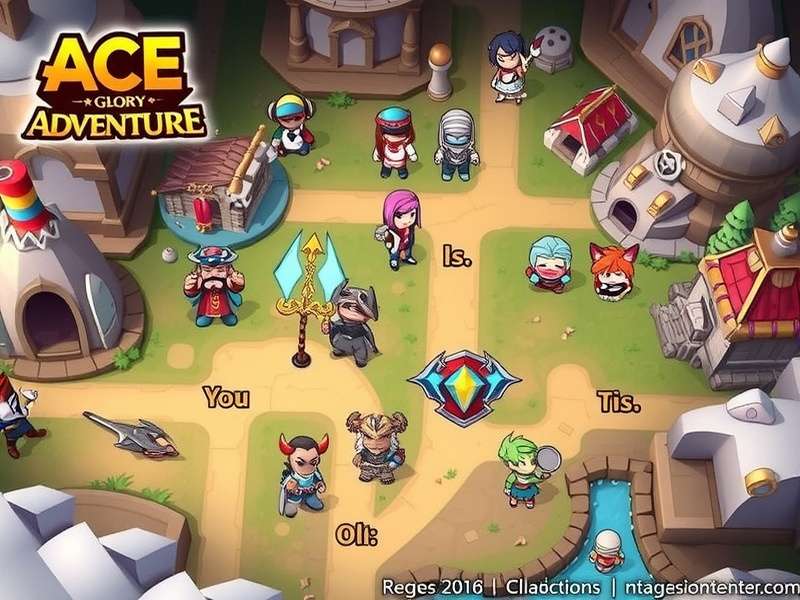
To address India's diverse and often unreliable internet infrastructure, Daman Games invested heavily in building a network of 15 regional servers across India for Ace Glory Adventure – more than any other Indian game. These servers are located in Mumbai, Delhi, Chennai, Kolkata, Bengaluru, Hyderabad, Pune, Ahmedabad, Jaipur, Lucknow, Chandigarh, Guwahati, Bhubaneswar, Kochi, and Srinagar – ensuring low-latency gameplay for players in every corner of the country.
The regional servers are optimized for India's internet conditions, with lower bandwidth requirements and built-in redundancy to handle frequent internet outages (a common issue in rural areas). Players are automatically connected to the nearest server, but can manually switch servers if they want to play with friends in other regions. The servers also host region-specific events and tournaments, with local leaderboards that celebrate the best players in each state – fostering a sense of regional pride and friendly competition (similar to India's cricket rivalries between states).
In addition to regional servers, Daman Games has partnered with local internet service providers (ISPs) in rural areas to set up "Ace Glory Adventure Gaming Hubs" – cyber cafes with high-speed internet and low-cost gaming PCs that allow rural players to access the game's online modes. These hubs are often located in village panchayats or community centers, making gaming accessible to players who cannot afford smartphones or internet connections at home. As of 2024, over 2,000 such gaming hubs have been set up across rural India, further expanding Ace Glory Adventure's reach to underserved communities.
Ace Glory Adventure Community & Ecosystem
Player Demographics 📊
The Ace Glory Adventure community is one of the most diverse in Indian gaming, reflecting the country's demographic diversity in age, gender, location, and socioeconomic status. According to a 2024 player survey conducted by Daman Games (surveying over 500,000 players across India), the game's player base breaks down as follows:
- Age Range: 55% of players are between 16-25 years old (college students and young professionals), 25% between 26-35 years old (working professionals), 15% between 36-45 years old (family gamers), and 5% under 16 or over 45 years old (children playing with family, or older gamers looking for culturally relevant content).
- Gender Diversity: 72% male, 28% female, 0.5% non-binary/other – a significantly higher percentage of female players than the Indian gaming industry average of 18%. This gender diversity is attributed to Ace Glory Adventure's inclusive character design (strong female protagonists and playable characters), non-toxic community culture, and female-focused events (like the "Women in Gaming" tournaments).
- Geographic Distribution: 40% from tier 1 cities (Mumbai, Delhi, Bangalore, Chennai, Kolkata), 35% from tier 2/3 cities (like Jaipur, Lucknow, Kochi, Vadodara), and 25% from rural areas – a remarkable achievement given the challenges of internet connectivity and device access in rural India. This broad geographic reach is a testament to the game's accessibility features and regional localization.
- Device Preference: 85% play on mobile (Android 75%, iOS 10%), 10% on PC (mostly cyber cafe players in tier 2/3 cities), and 5% on consoles (primarily tier 1 city players). This mobile-first player base reflects India's gaming landscape, where smartphones are the primary gaming device for most players.
- Socioeconomic Status: Unlike many international games that cater primarily to affluent players, Ace Glory Adventure's player base is evenly distributed across socioeconomic classes: 30% from high-income households, 40% from middle-income households, and 30% from low-income households. This broad appeal is due to the game's free-to-play model, low device requirements, and cultural relevance to players from all backgrounds.
What is particularly notable about the Ace Glory Adventure community is its lack of toxicity – a common problem in Indian gaming. Daman Games has implemented strict anti-harassment policies, including regional language profanity filters, voice chat moderation, and a player reporting system that results in immediate bans for toxic behavior. The company also promotes positive community values through in-game events (like "Unity Missions" that require players from different regions/religions to work together) and community guidelines that emphasize respect and inclusivity. As a result, Ace Glory Adventure has earned a reputation as a "family-friendly" game that parents are comfortable letting their children play – a rare distinction in the Indian gaming industry.
Content Creation & Esports 🎥
Ace Glory Adventure has spawned a thriving ecosystem of content creators, streamers, and esports players across India – particularly in tier 2/3 cities where gaming content creation is emerging as a viable career option for young people. Daman Games actively supports this ecosystem through its "Desi Creator Program", which provides monetization opportunities, early access to updates, exclusive in-game items, and sponsorship opportunities to content creators who make Ace Glory Adventure content.
Some of India's biggest gaming YouTubers and streamers (like Total Gaming, Techno Gamerz, Desi Gamers, and Mortal) regularly feature Ace Glory Adventure on their channels, with gameplay videos garnering millions of views. What's unique about Ace Glory Adventure content is its regional diversity: content creators from non-Hindi speaking states (like Tamil Nadu, Kerala, and Bengal) create videos in their local languages, attracting large regional audiences that are often ignored by mainstream gaming content. For example, Tamil gaming YouTubers like TamilGaming and Madrasi Gamer have built large followings by creating Ace Glory Adventure content in Tamil, while Malayalam streamers like Kerala Gamers have popularized the game in Kerala.
Ace Glory Adventure's esports scene is growing rapidly, with the "AGA India Championship" (organized by Daman Games) offering a prize pool of ₹2 crore (approximately $240,000) – one of the largest for an Indian-developed game. The championship features regional qualifiers in 30 cities across India (from tier 1 cities like Mumbai to tier 3 cities like Jalandhar and Coimbatore), with offline finals held in Hyderabad every year. The tournaments are broadcast on YouTube and gaming platforms like Loco and Rooter, with professional commentators providing analysis in both English and Hindi (and regional languages for regional qualifiers).
What sets Ace Glory Adventure's esports scene apart is its accessibility: the tournaments have low entry barriers (no registration fees, open to players of all skill levels) and are designed to be inclusive of players from all regions and backgrounds. Many professional Ace Glory Adventure esports players come from tier 2/3 cities and rural areas – a departure from traditional esports, which is dominated by tier 1 city players with access to high-end equipment and internet. Daman Games provides travel and accommodation for rural players to attend regional qualifiers, and even offers gaming equipment to promising players who cannot afford it – democratizing esports opportunities in India.
Community Initiatives & Social Impact 🤲
Beyond entertainment, Ace Glory Adventure has leveraged its large and diverse player base to drive positive social impact in India – a core part of Daman Games' mission to create games that "entertain and empower" Indian players. The company has partnered with several Indian NGOs and